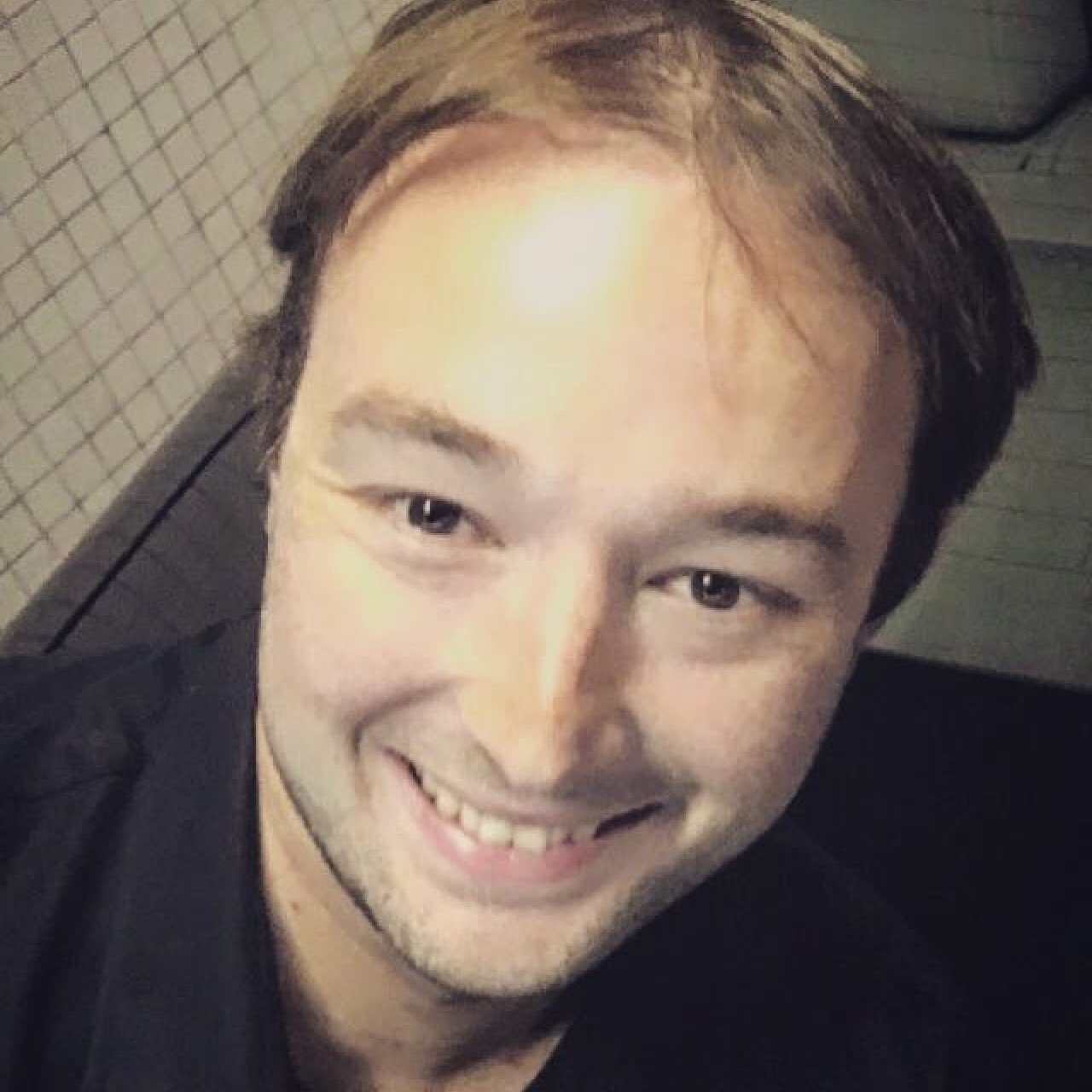
Dear Global Impact Readers,
Lights, camera, action!
For such a small place, Hong Kong’s influence and impact on regional and global cinema spreads far and wide, especially when we talk about martial arts.
Jackie Chan was born in Hong Kong, Bruce Lee sadly died in the city aged just 32.
In this issue, the SCMP’s film editor, Edmund Lee, takes a look at Hong Kong’s role, looking back to Bruce Lee’s The Way of the Dragon in 1972 and to the future.
Andrew Mullen
Deputy Editor, Political EconomyHong Kong martial arts films’ lasting influence
As we approach the 25th anniversary of Hong Kong’s return to Chinese sovereignty, this may be as good a time as any to reflect on the cultural impact that Hong Kong martial arts cinema has had – not just on the city itself, but on audiences around the world.
While these films have taken on very different shapes and forms since the late 1990s, there is no question that they remain as influential as ever – as proven by the steady readership of the Post’s recently concluded weekly martial arts cinema column over the past two years, which managed to find plenty of readers even when we ventured into some niche and sometimes obscure areas of the genre.
As our regular contributor Richard James Havis succinctly put it in his last column on the subject, Hong Kong martial arts films have a similar stature in the city as the Western does in the United States: a great number of them have been produced, they can be turned to almost any theme or storyline, and they represent the concerns and aspirations of those who watch them.
“What’s more,” Havis wrote, “Hong Kong’s martial arts films portray the culture of southern China, Confucian values and more specifically, the unique culture of Hong Kong itself”.
This month happens to mark the 50th anniversary of the initial Hong Kong release of The Way of the Dragon, which famously saw Bruce Lee fight Chuck Norris in Rome’s Colosseum. The rest, as they say, is history: Lee would catapult Chinese-language martial arts films to international fame in 1973 and open the doors for a kung fu boom abroad.
In the US, fond memories are still being held of the times Lee’s films broke out of Chinatowns and went mainstream, his underdog stories serving in particular as inspirations for the African-American communities, who identified with the experience of social and political oppression portrayed on screen. In the UK, Lee’s memory is also being kept alive by his dedicated fans.
Hong Kong martial arts films are not just a cornerstone of our entertainment industry, but also an important vehicle for preserving and bringing traditional Chinese culture to the world.
For instance, plenty of Chinese folk heroes, from Wong Fei-hung to Fong Sai-yuk and Hong Xiguan, have entered the public consciousness through spectacular filmic reinterpretations of their life stories over the decades.
While these films – like Hong Kong’s cinema industry itself – never truly rediscovered their peak popularity after the early 1990s, the city’s martial arts icons, both in front of and behind the cameras, have continued to make quite an impression overseas since.
Local screen icons like Jackie Chan (despite initial setbacks in the early 80s) and Jet Li found Hollywood stardom in the late ’90s, and veteran filmmakers such as John Woo Yu-sum and Yuen Woo-ping brought their groundbreaking methods to the West and left behind a lasting legacy on how action filmmaking was – and is – perceived.
To this day, the influences of Hong Kong martial arts films can still be found in some of the best Hollywood action blockbusters around, from the John Wick films to Marvel’s Shang-Chi and the Legend of the Ten Rings.
And pre-eminent directors such as David Leitch (Deadpool 2), Olivier Assayas (Irma Vep) and the ‘Daniels’ (Everything Everywhere All at Once) are never shy to talk about their passion for Hong Kong’s action cinema, either.
Even though the number of martial arts films produced in this city has been drastically reduced from those heydays of decades past, masterpieces in the genre remain occasional occurrences: count Peter Chan Ho-sun’s The Warlords, Wong Kar-wai’s The Grandmaster, and the Ip Man series starring Donnie Yen Ji-dan as some of the most prominent examples.
And as we anxiously await the rise of the next generational action star to take up Yen’s mantle, the Hong Kong martial arts cinema tradition appears in no hurry to throw its last kick just yet.
- South China Morning Post, SCMP -
Dear Global Impact Readers,
Lights, camera, action!
For such a small place, Hong Kong’s influence and impact on regional and global cinema spreads far and wide, especially when we talk about martial arts.
Jackie Chan was born in Hong Kong, Bruce Lee sadly died in the city aged just 32.
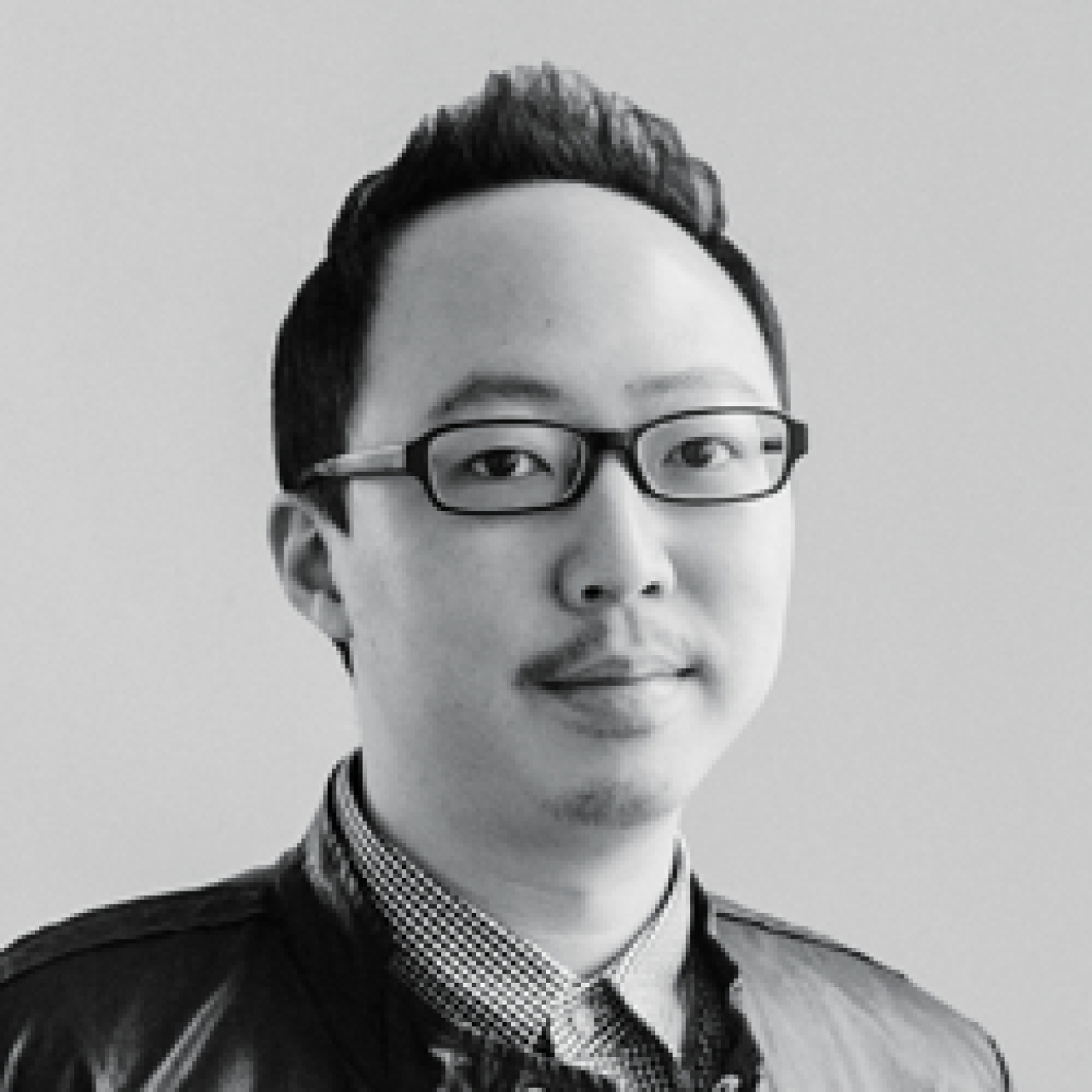
In this issue, the SCMP’s film editor, Edmund Lee, takes a look at Hong Kong’s role, looking back to Bruce Lee’s The Way of the Dragon in 1972 and to the future.
Andrew Mullen
Deputy Editor, Political EconomyHong Kong martial arts films’ lasting influence
As we approach the 25th anniversary of Hong Kong’s return to Chinese sovereignty, this may be as good a time as any to reflect on the cultural impact that Hong Kong martial arts cinema has had – not just on the city itself, but on audiences around the world.
While these films have taken on very different shapes and forms since the late 1990s, there is no question that they remain as influential as ever – as proven by the steady readership of the Post’s recently concluded weekly martial arts cinema column over the past two years, which managed to find plenty of readers even when we ventured into some niche and sometimes obscure areas of the genre.
As our regular contributor Richard James Havis succinctly put it in his last column on the subject, Hong Kong martial arts films have a similar stature in the city as the Western does in the United States: a great number of them have been produced, they can be turned to almost any theme or storyline, and they represent the concerns and aspirations of those who watch them.
“What’s more,” Havis wrote, “Hong Kong’s martial arts films portray the culture of southern China, Confucian values and more specifically, the unique culture of Hong Kong itself”.
This month happens to mark the 50th anniversary of the initial Hong Kong release of The Way of the Dragon, which famously saw Bruce Lee fight Chuck Norris in Rome’s Colosseum. The rest, as they say, is history: Lee would catapult Chinese-language martial arts films to international fame in 1973 and open the doors for a kung fu boom abroad.
In the US, fond memories are still being held of the times Lee’s films broke out of Chinatowns and went mainstream, his underdog stories serving in particular as inspirations for the African-American communities, who identified with the experience of social and political oppression portrayed on screen. In the UK, Lee’s memory is also being kept alive by his dedicated fans.
Hong Kong martial arts films are not just a cornerstone of our entertainment industry, but also an important vehicle for preserving and bringing traditional Chinese culture to the world.
For instance, plenty of Chinese folk heroes, from Wong Fei-hung to Fong Sai-yuk and Hong Xiguan, have entered the public consciousness through spectacular filmic reinterpretations of their life stories over the decades.
While these films – like Hong Kong’s cinema industry itself – never truly rediscovered their peak popularity after the early 1990s, the city’s martial arts icons, both in front of and behind the cameras, have continued to make quite an impression overseas since.
Local screen icons like Jackie Chan (despite initial setbacks in the early 80s) and Jet Li found Hollywood stardom in the late ’90s, and veteran filmmakers such as John Woo Yu-sum and Yuen Woo-ping brought their groundbreaking methods to the West and left behind a lasting legacy on how action filmmaking was – and is – perceived.
To this day, the influences of Hong Kong martial arts films can still be found in some of the best Hollywood action blockbusters around, from the John Wick films to Marvel’s Shang-Chi and the Legend of the Ten Rings.
And pre-eminent directors such as David Leitch (Deadpool 2), Olivier Assayas (Irma Vep) and the ‘Daniels’ (Everything Everywhere All at Once) are never shy to talk about their passion for Hong Kong’s action cinema, either.
Even though the number of martial arts films produced in this city has been drastically reduced from those heydays of decades past, masterpieces in the genre remain occasional occurrences: count Peter Chan Ho-sun’s The Warlords, Wong Kar-wai’s The Grandmaster, and the Ip Man series starring Donnie Yen Ji-dan as some of the most prominent examples.
And as we anxiously await the rise of the next generational action star to take up Yen’s mantle, the Hong Kong martial arts cinema tradition appears in no hurry to throw its last kick just yet.
|
Was this newsletter forwarded to you? Subscribe here
|

|
|
|
|
|
18 June 2022 |
|
Welcome to our 1,293 newly joined SCMP Global Impact readers who signed up in the past week.
|
|
Dear Global Impact Readers,
Lights, camera, action!
For such a small place, Hong Kong’s influence and impact on regional and global cinema spreads far and wide, especially when we talk about martial arts.
Jackie Chan was born in Hong Kong, Bruce Lee sadly died in the city aged just 32.
In this issue, the SCMP’s film editor, Edmund Lee, takes a look at Hong Kong’s role, looking back to Bruce Lee’s The Way of the Dragon in 1972 and to the future.
Andrew Mullen
Deputy Editor, Political Economy
Hong Kong martial arts films’ lasting influence
As we approach the 25th anniversary of Hong Kong’s return to Chinese sovereignty, this may be as good a time as any to reflect on the cultural impact that Hong Kong martial arts cinema has had – not just on the city itself, but on audiences around the world.
While these films have taken on very different shapes and forms since the late 1990s, there is no question that they remain as influential as ever – as proven by the steady readership of the Post’s recently concluded weekly martial arts cinema column over the past two years, which managed to find plenty of readers even when we ventured into some niche and sometimes obscure areas of the genre.
As our regular contributor Richard James Havis succinctly put it in his last column on the subject, Hong Kong martial arts films have a similar stature in the city as the Western does in the United States: a great number of them have been produced, they can be turned to almost any theme or storyline, and they represent the concerns and aspirations of those who watch them.
“What’s more,” Havis wrote, “Hong Kong’s martial arts films portray the culture of southern China, Confucian values and more specifically, the unique culture of Hong Kong itself”.
This month happens to mark the 50th anniversary of the initial Hong Kong release of The Way of the Dragon, which famously saw Bruce Lee fight Chuck Norris in Rome’s Colosseum. The rest, as they say, is history: Lee would catapult Chinese-language martial arts films to international fame in 1973 and open the doors for a kung fu boom abroad.
In the US, fond memories are still being held of the times Lee’s films broke out of Chinatowns and went mainstream, his underdog stories serving in particular as inspirations for the African-American communities, who identified with the experience of social and political oppression portrayed on screen. In the UK, Lee’s memory is also being kept alive by his dedicated fans.
Hong Kong martial arts films are not just a cornerstone of our entertainment industry, but also an important vehicle for preserving and bringing traditional Chinese culture to the world.
For instance, plenty of Chinese folk heroes, from Wong Fei-hung to Fong Sai-yuk and Hong Xiguan, have entered the public consciousness through spectacular filmic reinterpretations of their life stories over the decades.
While these films – like Hong Kong’s cinema industry itself – never truly rediscovered their peak popularity after the early 1990s, the city’s martial arts icons, both in front of and behind the cameras, have continued to make quite an impression overseas since.
Local screen icons like Jackie Chan (despite initial setbacks in the early 80s) and Jet Li found Hollywood stardom in the late ’90s, and veteran filmmakers such as John Woo Yu-sum and Yuen Woo-ping brought their groundbreaking methods to the West and left behind a lasting legacy on how action filmmaking was – and is – perceived.
To this day, the influences of Hong Kong martial arts films can still be found in some of the best Hollywood action blockbusters around, from the John Wick films to Marvel’s Shang-Chi and the Legend of the Ten Rings.
And pre-eminent directors such as David Leitch (Deadpool 2), Olivier Assayas (Irma Vep) and the ‘Daniels’ (Everything Everywhere All at Once) are never shy to talk about their passion for Hong Kong’s action cinema, either.
Even though the number of martial arts films produced in this city has been drastically reduced from those heydays of decades past, masterpieces in the genre remain occasional occurrences: count Peter Chan Ho-sun’s The Warlords, Wong Kar-wai’s The Grandmaster, and the Ip Man series starring Donnie Yen Ji-dan as some of the most prominent examples.
And as we anxiously await the rise of the next generational action star to take up Yen’s mantle, the Hong Kong martial arts cinema tradition appears in no hurry to throw its last kick just yet.
|
|
| 60 SECOND CATCH-UP |
| • |
Is Hong Kong cinema dead in an era of mainland China co-productions? No, an exciting new generation of local filmmakers says
|
| • |
10 best Asian action movie stars working today, from John Wick 4’s Donnie Yen to Ong-Bak’s Tony Jaa and Attack on Titan’s Rina Takeda
|
| • |
John Woo on action, violence, influences, growing up in poverty and working in Hollywood in 1997 interview
|
| • |
🎥 Did Bruce Lee create mixed martial arts in Hong Kong?
|
| • |
Explainer: Played by Jet Li and Jackie Chan, who was Wong Fei-hung for real? Tracing the life of the martial arts legend
|
| • |
Jimmy Wang Yu dies at 79: the martial arts superstar’s 10 best films, from One-Armed Swordsman to The Chinese Boxer
|
| • |
Explainer: Hong Kong martial arts cinema, starring Bruce Lee, Jackie Chan, Jet Li and Donnie Yen: everything you need to know
|
| • |
From Jackie Chan to Chang Cheh, seven legends of Hong Kong martial arts cinema behind the camera
|
|
|
|
|

|
|
|
|
|

|
|
|

|
|
The 25 best Asian martial arts movies of the 21st century ranked, from Ip Man to Crouching Tiger, Hidden Dragon and Kung Fu Hustle
|
| • |
Action films from China, Hong Kong, Japan, Korea, India, Indonesia and Thailand showcase many martial arts styles, from kung fu to Muay Thai to sword fighting | | | • | Their stars include Jet Li, Donnie Yen, Michelle Yeoh, Tony Jaa and Zhang Ziyi, and among their directors are Johnnie To, Ang Lee and Zhang Yimou
|
|
|
Asian cinema is synonymous with the action genre, thanks to its rich legacy of kung fu, wuxia and samurai dramas. Recently, Asian martial arts have enjoyed a high profile in Hollywood, thanks to franchises including The Matrix and John Wick. At the same time, not much new martial arts talent has emerged. Read more
|
|
|
|
|

|
|
‘I’m versatile’: how Michelle Yeoh became a martial arts movie star
|
| • |
Despite having no martial arts training, Yeoh’s background in ballet dancing gave her the bodily control and flexibility to allow her to play tough action roles | | | • | She gives some of her most impressive performances in three 1980s films – Royal Warriors (aka Police Assassins), Yes, Madam! and Magnificent Warriors
|
|
|
Michelle Yeoh is an anomaly when it comes to martial arts stars – how can someone be so amazing at kung fu without any formal training? Yeoh, who was born in Malaysia, never studied martial arts, and her first love was ballet. She planned to embark on a career as a dance choreographer after finishing a dance degree in the UK, having dropped any thoughts of acting after she experienced stage fright on a drama course at college. Read more
|
|

|
|
Sammo Hung’s 10 best films ranked, from Pedicab Driver to Ip Man 2
|
| • |
Sammo Hung entered the film industry in the late 1960s as a stuntman and extra, and has since appeared in nearly 200 movies, as well as directing 32 | | | • | The illustrious career of the actor known as Big Big Brother has encompassed a wide range of styles and genres. We rank his 10 best films, from good to great
|
|
|
Sammo Hung Kam-bo is one of the hardest-working filmmakers in the history of Hong Kong cinema. Known as “Big Big Brother” (so as not to be confused with “Big Brother” Jackie Chan), Hung trained in Peking Opera at the China Martial Arts Academy alongside Chan, where he was sometimes hired out to movie productions as a child actor. He entered the film industry around 1967 as a stuntman and extra, and worked his way up to martial arts choreographer at Shaw Brothers before signing with Golden Harvest in 1970. Read more
|
|
|

|
|
Martial arts master Yuen Woo-ping on the power of Jet Li
|
| • |
Master Z: The Ip Man Legacy, Drunken Master and The Tai Chi Master are just some of the films the famed martial arts choreographer directed | | | • | Honoured this week at the New York Asian Film Festival 2019, Yuen reflects on Jet Li’s rise, his kick that put two stuntmen in hospital, and Bruce Lee’s legacy
|
|
|
It was fitting that legendary martial arts choreographer and film director Yuen Woo-ping received the lifetime achievement award at this year’s New York Asian Film Festival, because as the kung fu master put it, “I’ve spent my entire life in film”. The awards ceremony took place at New York’s Walter Reade Theatre before a screening of Yuen’s latest film, Master Z: The Ip Man Legacy, on Monday. The festival is co-hosted by the prestigious Film Society of Lincoln Centre, organisers of the New York Film Festival. Read more
|
|

|
|
They kept Bruce Lee, Jackie Chan and Jet Li safe: Kung Fu Stuntmen film hails the unsung heroes who risked life and limb for Hong Kong movies
|
| • |
New documentary Kung Fu Stuntmen features interviews with stars including Donnie Yen and Sammo Hung as well as rare behind-the-scenes footage of kung fu movies | | | • | Director Wei Junzi decided to make the film after hearing how stuntmen, who exude ‘heroic spirit’, fare poorly in later life because of old injuries
|
|
|
The classic martial arts film Once Upon a Time in China (1991), directed by Tsui Hark, made a star of China-born martial artist Jet Li Lianjie. Playing the role of real-life Cantonese hero Wong Fei-hung, Li’s performance earned him comparisons to Bruce Lee and Jackie Chan. But while audiences were impressed by the film’s lengthy finale, where Wong fights his nemesis in a warehouse on moving bamboo ladders, most would have been unaware that it’s not actually Li who did the fighting. Three body doubles – Hung Yan-yan, Ku Huan-chiu and Tony Ling Chi-wah – fought in Li’s stead after the actor hurt his leg before shooting the finale. Read more
|
|
|
To keep track of the latest global news developments, follow daily coverage on our website or focus on stories about Hong Kong film, Hong Kong celebrities and icons and martial arts.
In our next issue, our China desk will look at China’s space programme following the recent launch of the Shenzhou 14 spacecraft and its subsequent docking with the Tiangong space station.
We welcome your feedback. Email me at globalimpact@scmp.com or tweet me at @thatEdmundLee. Plus, be sure to check out our Culture news feed for the latest news and analysis.
All the best,
|
|
|
|
|
|
Hello, thank you for reading Global Impact.
Our mission is to lead the global conversation about China and this flagship newsletter is one way our Editorial team contributes toward this goal.
Serving readers and helping them get closer to stories that matter are paramount to us because keeping abreast of today’s news cycle has never been more important.
Understanding China means understanding the world. For more in-depth, expert coverage on how China and Asia impact the world, please consider a digital subscription to SCMP.
|
|
|
|
|
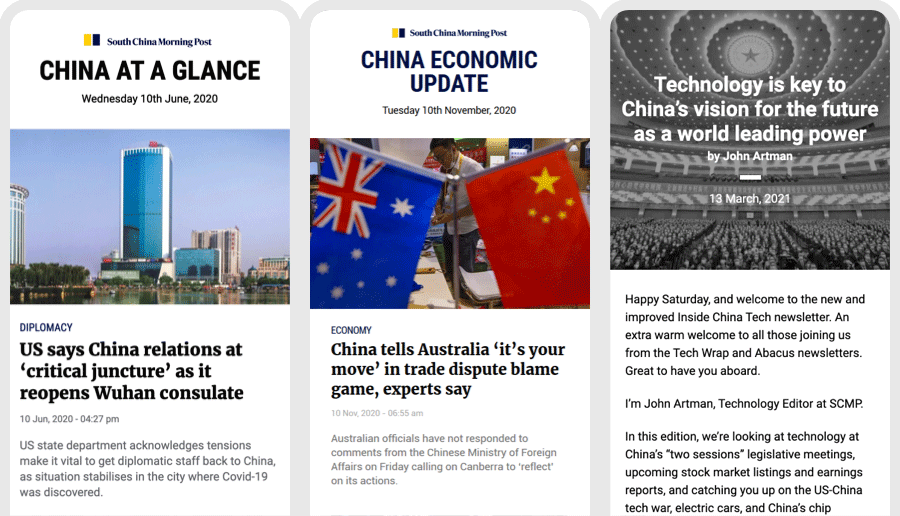
| SCMP NEWSLETTERS THAT MAY INTEREST YOU |

China at a Glance
A wealth of insights giving you the inside story on China every day.
China Economic Update
The latest developments from trade relations to growth rates and other key economic data.
Inside China Tech
Our weekend newsletter covering the biggest stories and updates from the tech centres of China.
VIEW AND SIGN UP
|
|
|

|
|
|
Hong Kong
China
Asia
World
Economy
Business
Tech
Comment
|
|
|
|
This email was sent to [email]
unsubscribe from this list
update subscription preferences
South China Morning Post Publishers Ltd · 19/F Tower 1 · 1 Matheson Street · Hong Kong · Hong Kong
Copyright © 2022 South China Morning Post Publishers Ltd. All rights reserved.
|