Dear Global Impact readers,
Hong Kong marked the 25th anniversary of its handover back to Chinese rule last week with John Lee Ka-chiu sworn in as the city’s new chief executive during a whirlwind two-day visit by President Xi Jinping.
Lee had already been elected unopposed to succeed Carrie Lam Cheng Yuet-ngor having received the backing of Beijing, with Xi heading south to oversee the proceedings with his wife.
In this issue, David Major, a senior production editor with the SCMP’s City desk, looks back at the events of last week and ahead to what the future holds for Hong Kong.
Andrew Mullen
Deputy Editor, Political Economy
After all that, what’s next for Hong Kong?
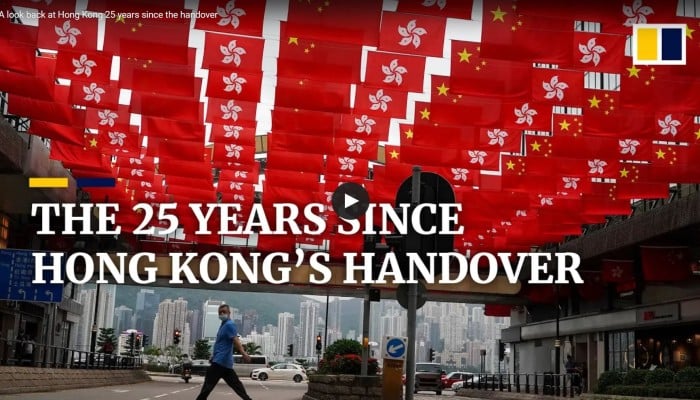
After weeks of the media seeking to confirm if President Xi Jinping would travel to Hong Kong to oversee the city’s 25th anniversary of the handover from British to Chinese sovereignty, the Chinese leader crossed the border to officiate at the swearing-in of new Chief Executive John Lee Ka-chiu and his government.Xi arrived from Shenzhen by train at the West Kowloon terminus with his wife Peng Liyuan and a delegation of Chinese officials on Thursday last week, making his first visit outside mainland China since the start of the coronavirus pandemic two years ago.
The city threw down a massive security blanket in preparation, restricting access to the terminus, the West Kowloon arts hub and the Convention and Exhibition Centre in Wan Chai, where the main anniversary events were held.
In a brief speech, Xi said Hong Kong had “risen from the ashes” after overcoming a wide number of severe challenges since his last visit in 2017, which proved the “one country, two systems” governing principle was working as intended.
The president then met a group of pro-Beijing politicians and tycoons at the convention centre, before heading for an inspection of the Science Park in Tai Po, where he received reports from relevant officials and the Hong Kong Science & Technology Parks Corporation.
Xi and Peng took part in a closed-door banquet hosted by outgoing Hong Kong leader Carrie Lam Cheng Yuet-ngor at her official residence. The president praised Lam, saying the central government “fully recognised” her work over the past five years and that she had fulfilled her constitutional duties “in a loyal manner”.
Xi and Peng travelled back to Shenzhen by train to stay overnight and returned to Hong Kong the following day.
Xi then spoke after the swearing-in of Lee and his team on July 1, and he laid down four expectations for the new government, instructing them to improve governance, strengthen the momentum of development, solve deep-seated livelihood issues and ensure harmony as the city “cannot afford any chaos”.
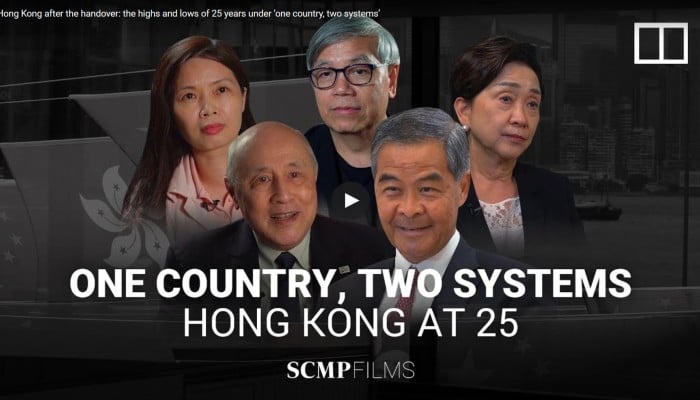
Xi reaffirmed Beijing’s commitment to the one country, two systems governing formula that allowed Hong Kong to maintain its own capitalist system and enjoy a significant degree of autonomy.
“There is no reason to change such a good system. And it must be adhered to in the long run,” he declared.
“It has been repeatedly tested. It conforms to the fundamental interests of the nation, as well as the fundamental interests of Hong Kong.”
Xi also stressed that Beijing exercised comprehensive jurisdiction over the city, which was the source of Hong Kong’s high degree of autonomy.
Looking ahead, the president said the central government completely supported the city “in maintaining its free, open and sound business environment, [and] in retaining its common law system”.
Delivering a speech in Mandarin after the swearing-in ceremony, Lee said he was taking up the new position with a “humble heart”, and he vowed to lead Hong Kong towards becoming an inclusive city “with plenty of opportunities and vitality”.
“Even if we may only solve one problem a day, without making such small steps, it is simply impossible to get to faraway places. Through perseverance we shall succeed,” he said.Lee also said his team would tackle the problem of land and housing, bring the Covid-19 situation under control and improve protections for the elderly and young children.
Meeting Lee and his cabinet after the inauguration ceremony, Xi again told him the public had high expectations for him and his government as the city had reached a “new historical starting point”.
But in a health scare, Steven Ho Chun-yin, who represents the agriculture and fisheries functional constituency, revealed on Sunday that he had tested positive for Covid-19, two days after he posed for a group photo with Xi.
Nearly 3,000 guests and staff members had been required to check into two five-star hotels near the Convention and Exhibition Centre prior to Xi’s visit for mandatory quarantine to reduce the risk of contracting the virus.
- South China Morning Post, SCMP -
Dear Global Impact readers,
Hong Kong marked the 25th anniversary of its handover back to Chinese rule last week with John Lee Ka-chiu sworn in as the city’s new chief executive during a whirlwind two-day visit by President Xi Jinping.
Lee had already been elected unopposed to succeed Carrie Lam Cheng Yuet-ngor having received the backing of Beijing, with Xi heading south to oversee the proceedings with his wife.
In this issue, David Major, a senior production editor with the SCMP’s City desk, looks back at the events of last week and ahead to what the future holds for Hong Kong.
Andrew Mullen
Deputy Editor, Political Economy
After all that, what’s next for Hong Kong?
After weeks of the media seeking to confirm if President Xi Jinping would travel to Hong Kong to oversee the city’s 25th anniversary of the handover from British to Chinese sovereignty, the Chinese leader crossed the border to officiate at the swearing-in of new Chief Executive John Lee Ka-chiu and his government.Xi arrived from Shenzhen by train at the West Kowloon terminus with his wife Peng Liyuan and a delegation of Chinese officials on Thursday last week, making his first visit outside mainland China since the start of the coronavirus pandemic two years ago.
The city threw down a massive security blanket in preparation, restricting access to the terminus, the West Kowloon arts hub and the Convention and Exhibition Centre in Wan Chai, where the main anniversary events were held.
In a brief speech, Xi said Hong Kong had “risen from the ashes” after overcoming a wide number of severe challenges since his last visit in 2017, which proved the “one country, two systems” governing principle was working as intended.
The president then met a group of pro-Beijing politicians and tycoons at the convention centre, before heading for an inspection of the Science Park in Tai Po, where he received reports from relevant officials and the Hong Kong Science & Technology Parks Corporation.
Xi and Peng took part in a closed-door banquet hosted by outgoing Hong Kong leader Carrie Lam Cheng Yuet-ngor at her official residence. The president praised Lam, saying the central government “fully recognised” her work over the past five years and that she had fulfilled her constitutional duties “in a loyal manner”.
Xi and Peng travelled back to Shenzhen by train to stay overnight and returned to Hong Kong the following day.
Xi then spoke after the swearing-in of Lee and his team on July 1, and he laid down four expectations for the new government, instructing them to improve governance, strengthen the momentum of development, solve deep-seated livelihood issues and ensure harmony as the city “cannot afford any chaos”.
Xi reaffirmed Beijing’s commitment to the one country, two systems governing formula that allowed Hong Kong to maintain its own capitalist system and enjoy a significant degree of autonomy.
“There is no reason to change such a good system. And it must be adhered to in the long run,” he declared.
“It has been repeatedly tested. It conforms to the fundamental interests of the nation, as well as the fundamental interests of Hong Kong.”
Xi also stressed that Beijing exercised comprehensive jurisdiction over the city, which was the source of Hong Kong’s high degree of autonomy.
Looking ahead, the president said the central government completely supported the city “in maintaining its free, open and sound business environment, [and] in retaining its common law system”.
Delivering a speech in Mandarin after the swearing-in ceremony, Lee said he was taking up the new position with a “humble heart”, and he vowed to lead Hong Kong towards becoming an inclusive city “with plenty of opportunities and vitality”.
“Even if we may only solve one problem a day, without making such small steps, it is simply impossible to get to faraway places. Through perseverance we shall succeed,” he said.Lee also said his team would tackle the problem of land and housing, bring the Covid-19 situation under control and improve protections for the elderly and young children.
Meeting Lee and his cabinet after the inauguration ceremony, Xi again told him the public had high expectations for him and his government as the city had reached a “new historical starting point”.
But in a health scare, Steven Ho Chun-yin, who represents the agriculture and fisheries functional constituency, revealed on Sunday that he had tested positive for Covid-19, two days after he posed for a group photo with Xi.
Nearly 3,000 guests and staff members had been required to check into two five-star hotels near the Convention and Exhibition Centre prior to Xi’s visit for mandatory quarantine to reduce the risk of contracting the virus.
|
Was this newsletter forwarded to you? Subscribe here
|

|
|
|
|
|
9 July 2022 |
|
Welcome to our 1,347 newly joined SCMP Global Impact readers who signed up in the past week.
|
|
Dear Global Impact readers,
Hong Kong marked the 25th anniversary of its handover back to Chinese rule last week with John Lee Ka-chiu sworn in as the city’s new chief executive during a whirlwind two-day visit by President Xi Jinping.
Lee had already been elected unopposed to succeed Carrie Lam Cheng Yuet-ngor having received the backing of Beijing, with Xi heading south to oversee the proceedings with his wife.
In this issue, David Major, a senior production editor with the SCMP’s City desk, looks back at the events of last week and ahead to what the future holds for Hong Kong.
Andrew Mullen
Deputy Editor, Political Economy
After all that, what’s next for Hong Kong?
After weeks of the media seeking to confirm if President Xi Jinping would travel to Hong Kong to oversee the city’s 25th anniversary of the handover from British to Chinese sovereignty, the Chinese leader crossed the border to officiate at the swearing-in of new Chief Executive John Lee Ka-chiu and his government.
Xi arrived from Shenzhen by train at the West Kowloon terminus with his wife Peng Liyuan and a delegation of Chinese officials on Thursday last week, making his first visit outside mainland China since the start of the coronavirus pandemic two years ago.
The city threw down a massive security blanket in preparation, restricting access to the terminus, the West Kowloon arts hub and the Convention and Exhibition Centre in Wan Chai, where the main anniversary events were held.
In a brief speech, Xi said Hong Kong had “risen from the ashes” after overcoming a wide number of severe challenges since his last visit in 2017, which proved the “one country, two systems” governing principle was working as intended.
The president then met a group of pro-Beijing politicians and tycoons at the convention centre, before heading for an inspection of the Science Park in Tai Po, where he received reports from relevant officials and the Hong Kong Science & Technology Parks Corporation.
Xi and Peng took part in a closed-door banquet hosted by outgoing Hong Kong leader Carrie Lam Cheng Yuet-ngor at her official residence. The president praised Lam, saying the central government “fully recognised” her work over the past five years and that she had fulfilled her constitutional duties “in a loyal manner”.
Xi and Peng travelled back to Shenzhen by train to stay overnight and returned to Hong Kong the following day.
Xi then spoke after the swearing-in of Lee and his team on July 1, and he laid down four expectations for the new government, instructing them to improve governance, strengthen the momentum of development, solve deep-seated livelihood issues and ensure harmony as the city “cannot afford any chaos”.
Xi reaffirmed Beijing’s commitment to the one country, two systems governing formula that allowed Hong Kong to maintain its own capitalist system and enjoy a significant degree of autonomy.
“There is no reason to change such a good system. And it must be adhered to in the long run,” he declared.
“It has been repeatedly tested. It conforms to the fundamental interests of the nation, as well as the fundamental interests of Hong Kong.”
Xi also stressed that Beijing exercised comprehensive jurisdiction over the city, which was the source of Hong Kong’s high degree of autonomy.
Looking ahead, the president said the central government completely supported the city “in maintaining its free, open and sound business environment, [and] in retaining its common law system”.
Delivering a speech in Mandarin after the swearing-in ceremony, Lee said he was taking up the new position with a “humble heart”, and he vowed to lead Hong Kong towards becoming an inclusive city “with plenty of opportunities and vitality”.
“Even if we may only solve one problem a day, without making such small steps, it is simply impossible to get to faraway places. Through perseverance we shall succeed,” he said.
Lee also said his team would tackle the problem of land and housing, bring the Covid-19 situation under control and improve protections for the elderly and young children.
Meeting Lee and his cabinet after the inauguration ceremony, Xi again told him the public had high expectations for him and his government as the city had reached a “new historical starting point”.
But in a health scare, Steven Ho Chun-yin, who represents the agriculture and fisheries functional constituency, revealed on Sunday that he had tested positive for Covid-19, two days after he posed for a group photo with Xi.
Nearly 3,000 guests and staff members had been required to check into two five-star hotels near the Convention and Exhibition Centre prior to Xi’s visit for mandatory quarantine to reduce the risk of contracting the virus.
|
|
|
|
|
|

|
|
How rail giant MTR Corp is moving Hong Kong closer to mainland China
|
| • |
Expanding rail network plays a critical part in integrating city with Greater Bay Area and beyond | | | • | Critics seeking quicker, more efficient delivery of rail services urge an end to MTR Corp monopoly
|
|
|
When Chinese President Xi Jinping travelled to Hong Kong last week for celebrations to mark the 25th anniversary of its return to China and the swearing-in of new leader John Lee Ka-chiu, he used the high-speed rail service connecting the city and the mainland. The Chinese leader arrived with his entourage on Thursday afternoon, returned to Shenzhen at the end of the day, and repeated the train journey on Friday for the second day of his visit. Read more
|
|
|
|

|
|
Hong Kong leader John Lee convenes first cabinet meeting to discuss to-do list from Xi Jinping, vows to lobby for ‘limited measures’ to reopen border
|
| • |
First formal meeting with team comes two days after Xi set out list of four expectations for Lee and his colleagues | | | • | Source says meeting mainly discussed matters such as political principles and governing style
|
|
|
Hong Kong’s new leader convened his first cabinet meeting on Sunday morning to define priorities and discuss a to-do list from Chinese President Xi Jinping as he set out as a key task lobbying for a “limited reopening” of the border with mainland China. Chief Executive John Lee Ka-chiu, who was sworn in by Xi on Friday, said he had demanded all his 21 principal officials to be “committed, independent and efficient” in tackling matters within their respective policy areas. Read more
|
|
|
|
|

|
|
‘Risen from the ashes’: Xi Jinping hails Hong Kong’s resilience, praises vitality of ‘one country, two systems’
|
| • |
Xi Jinping says Hong Kong has ‘overcome risks and challenges one after another’, adds whole nation is celebrating handover anniversary with city | | | • | President holds unprecedented meeting with officers from city’s disciplined services; move seen as showing appreciation for restoring law and order after turmoil of 2019
|
|
|
President Xi Jinping hailed Hong Kong for having “risen from the ashes” as he began his long-anticipated visit on Thursday to celebrate the 25th anniversary of the city’s return to Chinese sovereignty, underscoring Beijing’s commitment to the “one country, two systems” governing principle for a “bright future”. The president, who travelled to Hong Kong with first lady Peng Liyuan on a high-speed train from neighbouring Shenzhen, had a busy first day holding separate meetings with government officials, legislators, judges, representatives from the disciplined services, business leaders and others from various sectors. Read more
|
|

|
|
Why Xi’s meet-and-greet with Hong Kong elite set tongues wagging on pecking order
|
| • |
New faces among row of tycoons meeting president during a photo session with business and political leaders during his trip caught attention of many | | | • | Unlike during Xi’s 2017 visit, none of the first generation of the city’s influential property tycoons were present for the photo-op
|
|
|
Chinese President Xi Jinping’s interactions with the who’s who of Hong Kong during his visit to the city were more limited than five years ago but nonetheless set tongues wagging about perceived changes to the pecking order among the local elite. The new faces among the row of tycoons meeting him during a photo session with business and political leaders during his two-day trip caught the attention of many. Read more
|
|
|
|
|
|

|
|
Why Xi Jinping’s speech is a ‘calming pill’ for Hong Kong’s doubters
|
| • |
Luo Huining, director of Beijing’s liaison office in the city, says Xi Jinping’s speech is a ‘milestone’ in its significance | | | • | President ‘gave the most definitive answer to the important question of how long one country, two systems will last’, he says
|
|
|
Chinese President Xi Jinping gave the “most expansive and profound” elaboration yet on Hong Kong’s “one country, two systems” governing principle and how to accurately implement it while vowing to retain it for the long term, a top Beijing official has said. At a seminar on Saturday, Luo Huining, director of Beijing’s liaison office in the city, said Xi’s speech was a “milestone” in its significance, as he urged Hong Kong to have a sense of urgency to improve governance and grasp development chances as “opportunity knocks only once”. Read more
|
|

|
|
From egg tarts to the Star Ferry: 25 objects that tell us this is Hong Kong
|
| • |
Trams and cast-iron postboxes speak to the history of the city, while delicacies such as fishballs and egg waffles are street food essentials | | | • | Octopus cards, cable cars and red, white and blue bags have become synonymous with Hong Kong
|
|
|
1. Tram Affectionately called “ding dings” for the sound of their bells, the iconic trams are one of the earliest forms of public transport in the city, trundling through the streets of Hong Kong Island. When Hong Kong Tramways was founded in 1904, its first fleet of 26 tramcars were all single-deck. Now its 165-strong fleet includes one of the world’s few remaining double-decker trams, carrying an average of 200,000 passengers a day. Read more
|
|
|
To keep track of the latest global news developments, follow daily coverage on our website or focus on stories about the 25th anniversary of Hong Kong’s handover.
In our next issue, our economy desk will look at the mounting concerns about a global recession as China announces its second-quarter economic data, including the much anticipated gross domestic product growth figure.
We welcome your feedback. Email me at globalimpact@scmp.com. Plus, be sure to check out our Hong Kong feed for the latest news and analysis.
All the best,
|
|
|
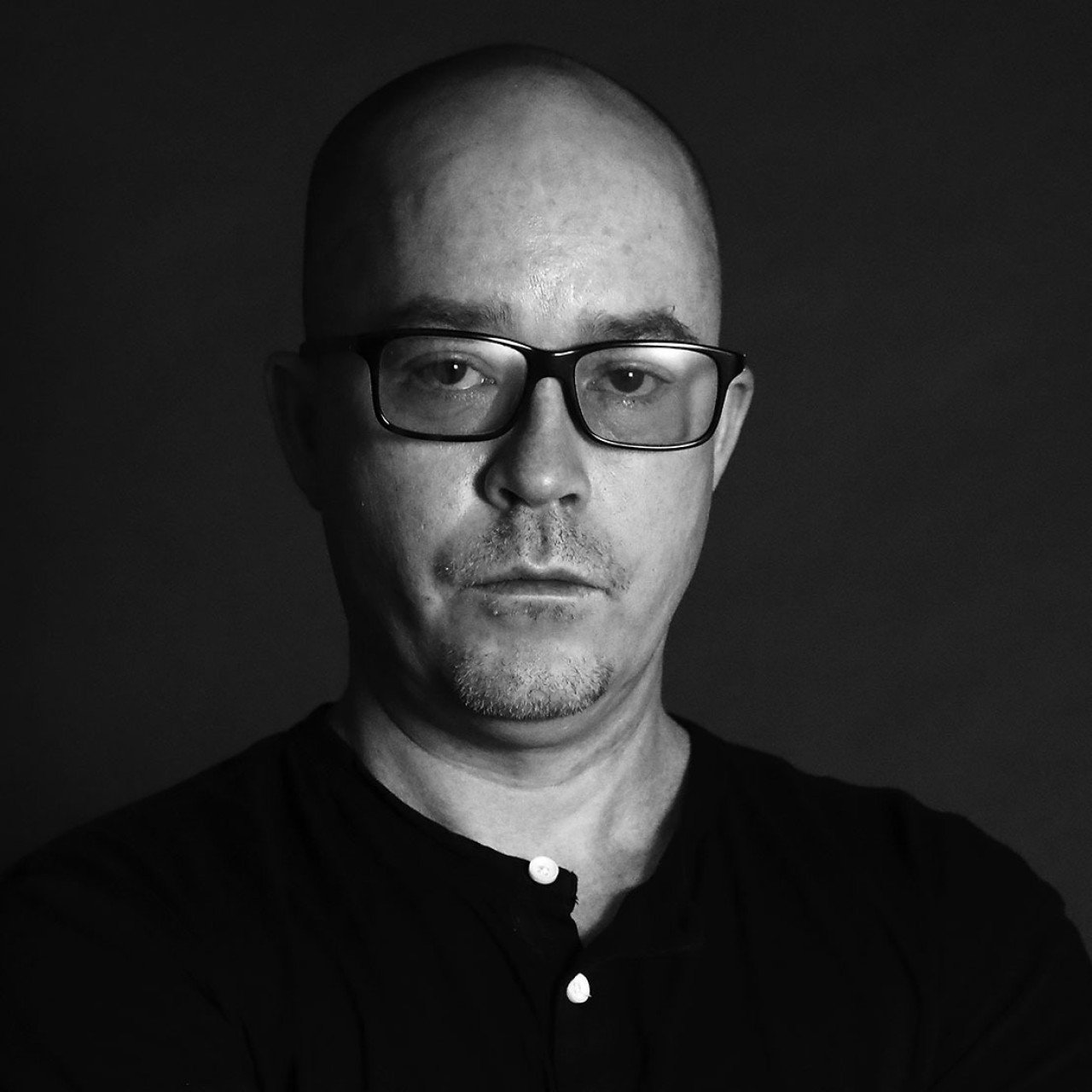
David Major
Senior Production Editor, City
|
|
|
|
|
|
Hello, thank you for reading Global Impact.
Our mission is to lead the global conversation about China and this flagship newsletter is one way our Editorial team contributes toward this goal.
Serving readers and helping them get closer to stories that matter are paramount to us because keeping abreast of today’s news cycle has never been more important.
Understanding China means understanding the world. For more in-depth, expert coverage on how China and Asia impact the world, please consider a digital subscription to SCMP.
|
|
|
|
|
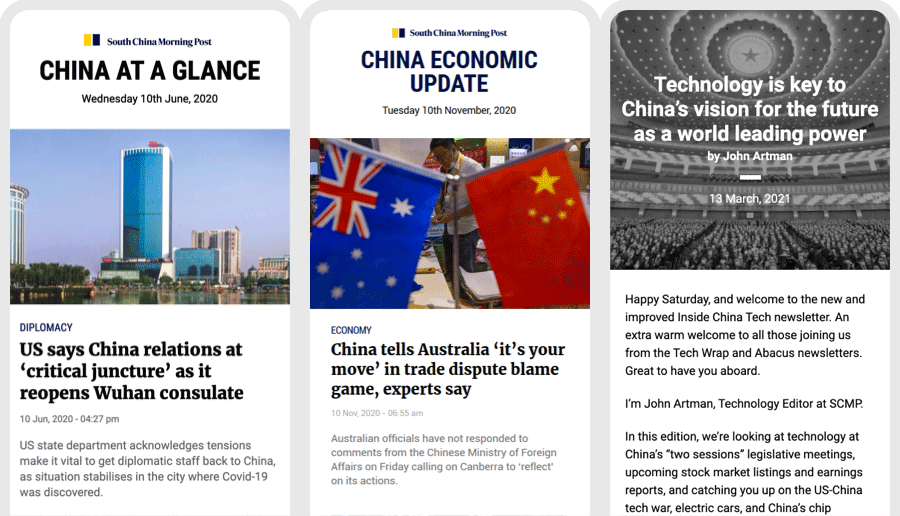
| SCMP NEWSLETTERS THAT MAY INTEREST YOU |

China at a Glance
A wealth of insights giving you the inside story on China every day.
China Economic Update
The latest developments from trade relations to growth rates and other key economic data.
Inside China Tech
Our weekend newsletter covering the biggest stories and updates from the tech centres of China.
VIEW AND SIGN UP
|
|
|

|
|
|
Hong Kong
China
Asia
World
Economy
Business
Tech
Comment
|
|
|
|
This email was sent to [email]
unsubscribe from this list
update subscription preferences
South China Morning Post Publishers Ltd · 19/F Tower 1 · 1 Matheson Street · Hong Kong · Hong Kong
Copyright © 2022 South China Morning Post Publishers Ltd. All rights reserved.
|