Hello again, Global Impact readers,
Where were you when you heard the news about the September 11 attacks? The question still comes up today, often alongside other events of global significance like the moon landing in 1969, or the fall of the Berlin Wall in 1989.
These thoughts became even more timely earlier this month as the 20th anniversary of that fateful day made most of us think back to the startling sights and sounds that were broadcast across the world, while also pausing to remember the near 3,000 people who were killed and more than 6,000 people who were injured.
This week, Robert Delaney, the Post's North America bureau chief, looks at how the infamous date 20 years ago has shaped the world we live in today, with the 20th anniversary coming less than two weeks after the US withdrawal from Afghanistan.
Best,
Andrew Mullen
Production Editor, Political EconomyThe legacy of the 9/11 terror attacks, 20 years on
The United States marked 20 years since the terrorist attacks that killed more than 3,000 Americans earlier this month, solemnly commemorating the anniversary at a time when a global pandemic, domestic ideological extremism and China’s assertive policies on the diplomatic and military fronts have made the threat from Islamic militants seem remote.
With China still a marginal player militarily and far down the list in terms of economic heft, the impact that the attacks had on US-China relations was barely noticed outside of Beijing.
US-China ties were fraying badly leading up to September 11. The inadvertent US bombing in 1999 of China’s embassy in Belgrade; George W. Bush’s depiction on the 2000 presidential campaign trail of China as a potential enemy and “strategic competitor”; and the collision of a US spy plane and a PLA fighter jet near Hainan island April 2001 all heightened tensions and mistrust.
Almost immediately after the World Trade Centre attack, the US priority was the war on terror, diverting attention from China. Washington needed Beijing’s support at the United Nations Security Council, and for most of the next two decades, China’s rapid economic integration with the US and the rest of the world contributed to surging growth. This helped to sow the seeds of discontent among US politicians concerned about the loss of US manufacturing jobs, which brought much of the pre-9/11 bilateral tensions back into play.
At the same time, 9/11 provided pretext for Beijing’s increasingly hard-line policies against its Uygur and other Muslim minorities, moves that have prompted the US and its allies to level sanctions against the Chinese government.
Another irony of the 9/11 anniversary is the extent to which Washington has built connections, if not formal diplomatic recognition, with the Taliban – the fundamentalist movement that sheltered some of the masterminds of the attacks, and also the group that former president George W. Bush said following the September 11 attacks was a sworn enemy for “aiding and abetting murder”.
The ripples of the 9/11 attacks reached beyond the US and the Middle East.
Nigerian President Muhammadu Buhari is among leaders in Africa who have warned that the Taliban’s victory over the US-installed government in Afghanistan may embolden terrorist groups in their countries, from Boko Haram in West Africa to al-Shabab in Somalia and a rising insurgency in Mozambique.
In Nigeria, for example, Boko Haram has claimed more than 36,000 lives and displaced more than 3 million people in a decade as it seeks to create a “pure” Islamic state ruled under sharia law. The group, an affiliate of Islamic State, has frequently kidnapped civilians, particularly women and children.
Elsewhere, though, US engagement initiatives aimed at countering extremism are generally regarded as successful, particularly in the Philippines and Indonesia.
Thailand, which at the time was dealing with an intensified insurgency in its largely Muslim southern region, was also rewarded for its support of the war on terror. In October 2003, Bush declared Thailand a major non-Nato ally – an elite status that gave it priority access to US military exports.
That development came months after Thai and US forces captured Hambali, the Indonesian mastermind of the 2002 Bali bombings, in the Thai city of Ayutthaya.
Hambali, whose real name is Riduan Isamuddin, has been held in a US military prison in Guantanamo Bay since 2006 and his military trial for “war crimes” started in August, 18 years after his capture.
Which brings us full circle as US President Joe Biden has made the closure of the Guantanamo Bay prison, cited by human rights groups as a blight on America’s image, one of his administration’s priorities to close the book on the catastrophe of 20 years ago.
- South China Morning Post, SCMP -
Hello again, Global Impact readers,
Where were you when you heard the news about the September 11 attacks? The question still comes up today, often alongside other events of global significance like the moon landing in 1969, or the fall of the Berlin Wall in 1989.
These thoughts became even more timely earlier this month as the 20th anniversary of that fateful day made most of us think back to the startling sights and sounds that were broadcast across the world, while also pausing to remember the near 3,000 people who were killed and more than 6,000 people who were injured.
This week, Robert Delaney, the Post's North America bureau chief, looks at how the infamous date 20 years ago has shaped the world we live in today, with the 20th anniversary coming less than two weeks after the US withdrawal from Afghanistan.
Best,
Andrew Mullen
Production Editor, Political EconomyThe legacy of the 9/11 terror attacks, 20 years on
The United States marked 20 years since the terrorist attacks that killed more than 3,000 Americans earlier this month, solemnly commemorating the anniversary at a time when a global pandemic, domestic ideological extremism and China’s assertive policies on the diplomatic and military fronts have made the threat from Islamic militants seem remote.
With China still a marginal player militarily and far down the list in terms of economic heft, the impact that the attacks had on US-China relations was barely noticed outside of Beijing.
US-China ties were fraying badly leading up to September 11. The inadvertent US bombing in 1999 of China’s embassy in Belgrade; George W. Bush’s depiction on the 2000 presidential campaign trail of China as a potential enemy and “strategic competitor”; and the collision of a US spy plane and a PLA fighter jet near Hainan island April 2001 all heightened tensions and mistrust.
Almost immediately after the World Trade Centre attack, the US priority was the war on terror, diverting attention from China. Washington needed Beijing’s support at the United Nations Security Council, and for most of the next two decades, China’s rapid economic integration with the US and the rest of the world contributed to surging growth. This helped to sow the seeds of discontent among US politicians concerned about the loss of US manufacturing jobs, which brought much of the pre-9/11 bilateral tensions back into play.
At the same time, 9/11 provided pretext for Beijing’s increasingly hard-line policies against its Uygur and other Muslim minorities, moves that have prompted the US and its allies to level sanctions against the Chinese government.
Another irony of the 9/11 anniversary is the extent to which Washington has built connections, if not formal diplomatic recognition, with the Taliban – the fundamentalist movement that sheltered some of the masterminds of the attacks, and also the group that former president George W. Bush said following the September 11 attacks was a sworn enemy for “aiding and abetting murder”.
The ripples of the 9/11 attacks reached beyond the US and the Middle East.
Nigerian President Muhammadu Buhari is among leaders in Africa who have warned that the Taliban’s victory over the US-installed government in Afghanistan may embolden terrorist groups in their countries, from Boko Haram in West Africa to al-Shabab in Somalia and a rising insurgency in Mozambique.
In Nigeria, for example, Boko Haram has claimed more than 36,000 lives and displaced more than 3 million people in a decade as it seeks to create a “pure” Islamic state ruled under sharia law. The group, an affiliate of Islamic State, has frequently kidnapped civilians, particularly women and children.
Elsewhere, though, US engagement initiatives aimed at countering extremism are generally regarded as successful, particularly in the Philippines and Indonesia.
Thailand, which at the time was dealing with an intensified insurgency in its largely Muslim southern region, was also rewarded for its support of the war on terror. In October 2003, Bush declared Thailand a major non-Nato ally – an elite status that gave it priority access to US military exports.
That development came months after Thai and US forces captured Hambali, the Indonesian mastermind of the 2002 Bali bombings, in the Thai city of Ayutthaya.
Hambali, whose real name is Riduan Isamuddin, has been held in a US military prison in Guantanamo Bay since 2006 and his military trial for “war crimes” started in August, 18 years after his capture.
Which brings us full circle as US President Joe Biden has made the closure of the Guantanamo Bay prison, cited by human rights groups as a blight on America’s image, one of his administration’s priorities to close the book on the catastrophe of 20 years ago.
|
Was this newsletter forwarded to you? Subscribe here
|

|
|
|
|
|
25 September 2021 |
|
Welcome to our 2,777 newly joined SCMP Global Impact readers who signed up in the past week.
|
|
Hello again, Global Impact readers,
Where were you when you heard the news about the September 11 attacks? The question still comes up today, often alongside other events of global significance like the moon landing in 1969, or the fall of the Berlin Wall in 1989.
These thoughts became even more timely earlier this month as the 20th anniversary of that fateful day made most of us think back to the startling sights and sounds that were broadcast across the world, while also pausing to remember the near 3,000 people who were killed and more than 6,000 people who were injured.
This week, Robert Delaney, the Post's North America bureau chief, looks at how the infamous date 20 years ago has shaped the world we live in today, with the 20th anniversary coming less than two weeks after the US withdrawal from Afghanistan.
Best,
Andrew Mullen
Production Editor, Political Economy
The legacy of the 9/11 terror attacks, 20 years on
The United States marked 20 years since the terrorist attacks that killed more than 3,000 Americans earlier this month, solemnly commemorating the anniversary at a time when a global pandemic, domestic ideological extremism and China’s assertive policies on the diplomatic and military fronts have made the threat from Islamic militants seem remote.
With China still a marginal player militarily and far down the list in terms of economic heft, the impact that the attacks had on US-China relations was barely noticed outside of Beijing.
US-China ties were fraying badly leading up to September 11. The inadvertent US bombing in 1999 of China’s embassy in Belgrade; George W. Bush’s depiction on the 2000 presidential campaign trail of China as a potential enemy and “strategic competitor”; and the collision of a US spy plane and a PLA fighter jet near Hainan island April 2001 all heightened tensions and mistrust.
Almost immediately after the World Trade Centre attack, the US priority was the war on terror, diverting attention from China. Washington needed Beijing’s support at the United Nations Security Council, and for most of the next two decades, China’s rapid economic integration with the US and the rest of the world contributed to surging growth. This helped to sow the seeds of discontent among US politicians concerned about the loss of US manufacturing jobs, which brought much of the pre-9/11 bilateral tensions back into play.
At the same time, 9/11 provided pretext for Beijing’s increasingly hard-line policies against its Uygur and other Muslim minorities, moves that have prompted the US and its allies to level sanctions against the Chinese government.
Another irony of the 9/11 anniversary is the extent to which Washington has built connections, if not formal diplomatic recognition, with the Taliban – the fundamentalist movement that sheltered some of the masterminds of the attacks, and also the group that former president George W. Bush said following the September 11 attacks was a sworn enemy for “aiding and abetting murder”.
The ripples of the 9/11 attacks reached beyond the US and the Middle East.
Nigerian President Muhammadu Buhari is among leaders in Africa who have warned that the Taliban’s victory over the US-installed government in Afghanistan may embolden terrorist groups in their countries, from Boko Haram in West Africa to al-Shabab in Somalia and a rising insurgency in Mozambique.
In Nigeria, for example, Boko Haram has claimed more than 36,000 lives and displaced more than 3 million people in a decade as it seeks to create a “pure” Islamic state ruled under sharia law. The group, an affiliate of Islamic State, has frequently kidnapped civilians, particularly women and children.
Elsewhere, though, US engagement initiatives aimed at countering extremism are generally regarded as successful, particularly in the Philippines and Indonesia.
Thailand, which at the time was dealing with an intensified insurgency in its largely Muslim southern region, was also rewarded for its support of the war on terror. In October 2003, Bush declared Thailand a major non-Nato ally – an elite status that gave it priority access to US military exports.
That development came months after Thai and US forces captured Hambali, the Indonesian mastermind of the 2002 Bali bombings, in the Thai city of Ayutthaya.
Hambali, whose real name is Riduan Isamuddin, has been held in a US military prison in Guantanamo Bay since 2006 and his military trial for “war crimes” started in August, 18 years after his capture.
Which brings us full circle as US President Joe Biden has made the closure of the Guantanamo Bay prison, cited by human rights groups as a blight on America’s image, one of his administration’s priorities to close the book on the catastrophe of 20 years ago.
|
|
|
|
|
|

|
|
Two decades after 9/11, China is more concerned than ever about Afghanistan
|
| • |
The Taliban’s victory could give rise to bolder attacks by other extremist groups, threatening China’s economic interests | | | • | There is also a fear that counterterrorism efforts in Xinjiang could be endangered by a resurgence in extremism
|
|
|
The deadly terrorist attacks against the United States on September 11, 2001, prompted an outcry from around the world: “We are all Americans.” Washington’s policies realigned around fighting terrorism and bilateral relationships strengthened or crumbled depending on where other governments stood. In the seventh in a series about the legacy of September 11, Rachel Zhang looks at why, 20 years after 9/11, Beijing is more worried than before about the situation in Afghanistan. China’s business community in Pakistan is closely watching developments in Afghanistan, concerned that the chaos could spill across the border and fuel further attacks on Chinese workers. Read more
|
|
|
|

|
|
9/11, 20 years later: did the tragedy give US-China relations a respite?
|
| • |
Beijing saw the opportunity to reset its relationship with Washington, which needed its support and agreed to label ETIM a terrorist group | | | • | More recently, analysts say, the US focus on other theatres has emboldened China’s aggressive moves in the South China Sea and elsewhere
|
|
|
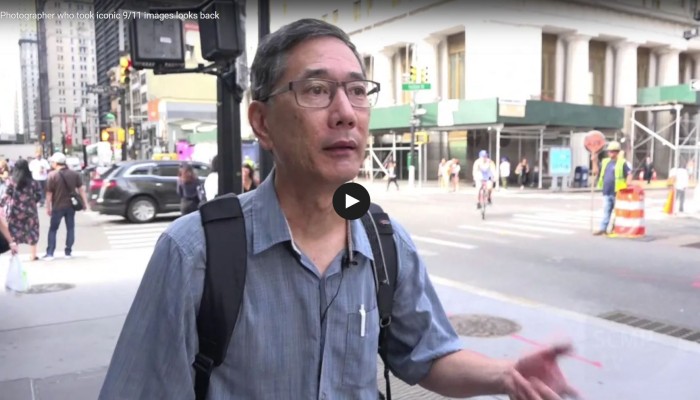
The deadly terrorist attacks against the United States on September 11, 2001 prompted an outcry from around the world: “We are all Americans.” But even before the dust had settled around the World Trade Centre, Washington’s policies realigned around fighting terrorism and bilateral relationships strengthened or crumbled depending on where other governments stood. Wars and occupations ensued, ending in a rushed military withdrawal from Afghanistan by US forces last month. In the first in a series about the legacy of 9/11, Mark Magnier explores how the attacks altered the course of the US-China relationship. On September 11, 2001, Chas Freeman was in Beijing for a meeting with then-president Jiang Zemin when news of the World Trade Centre attack broke. Commercial aircraft were grounded, forcing Freeman, then the co-chair of the US-China Policy Foundation, to remain in the Chinese capital longer than expected. Read more
|
|
|
|
|

|
|
After 9/11: how China saw a chance to crack down at home in global fight on terror
|
| • |
Immediately after September 11 attacks in the US, China drew a link between the global counterterrorism effort and separatism and Islamic extremism in Xinjiang | | | • | Using the US Patriot Act as a reference, China adopted tech tactics such as gathering facial recognition data and GPS locations of people and vehicles
|
|
|
The deadly terrorist attacks against the United States on September 11, 2001, prompted an outcry from around the world: “We are all Americans.” But before the dust had settled around the World Trade Centre, Washington’s policies had realigned around fighting terrorism and bilateral relationships strengthened or crumbled depending on where other governments stood. Wars and occupations ensued, culminating in a rushed military withdrawal from Afghanistan by US forces last month. In the third in a series about the legacy of September 11, Liu Zhen explores how the attack pushed China to boost its counterterrorism efforts. When American Airlines Flight 11 was flown into the North Tower of the World Trade Centre on September 11, 2001, Li Wei, a counterterrorism analyst at the China Institutes of Contemporary International Relations in Beijing knew immediately that he and his colleagues would become very busy. Read more
|
|

|
|
How the Taliban’s success in Afghanistan could threaten China’s interests in Africa
|
| • |
Groups such as Boko Haram in Nigeria and al-Shabab in Somalia may seek to build ties with the Afghan group after the fall of Kabul | | | • | China’s extensive interests across the continent could be threatened, Beijing is unlikely to want to replace the US in a security role
|
|
|
The deadly terrorist attacks against the United States on September 11, 2001, prompted an outcry from around the world: “We are all Americans.” Washington’s policies realigned around fighting terrorism and bilateral relationships strengthened or crumbled depending on where other governments stood. As part of a series about the legacy of September 11, Jevans Nyabiage looks at the implications for China in Africa from the Taliban’s return to power in Afghanistan. Kabul may be thousands of miles from Africa but the impact of the Taliban’s capture of the Afghan capital is being felt throughout the continent, where concern is growing about the further expansion of Islamic extremism. Read more
|
|

|

|
|
|

|
|
Two decades after 9/11: was Southeast Asia’s support of the US war on terror worth it?
|
| • |
The region largely welcomed greater US cooperation after 9/11, with the war on terror helping some Asean states to further their own agendas | | | • | But the US failed to make the most of the engagement, experts say, and its torture of detainees left mixed messages about the values it was seeking to promote
|
|
|
The deadly terrorist attacks against the United States on September 11, 2001, prompted an outcry from around the world: “We are all Americans.” Washington’s policies realigned around fighting terrorism and bilateral relationships strengthened or crumbled depending on where other governments stood. In the sixth in a series about the legacy of September 11, Bhavan Jaipragas looks at Southeast Asia’s support of the US-led global counterterrorism effort. On Colin Powell’s first visit to Southeast Asia as US Secretary of State in July 2001, just weeks before the September 11 attacks, he stressed that his country was not quite the self-serving and unilateralist superpower that naysayers had made it out to be. Read more
|
|
|
To keep track of the latest global news developments, follow our daily coverage on our website or focus on stories about the 20th anniversary of the 9/11 attacks.
In our next issue, our business desk will focus on the ongoing climate crisis, which is the topic of next week’s World New Day.
We welcome your feedback. Email me at globalimpact@scmp.com or tweet me at @rfdelaney. Plus, be sure to check out our news feeds for the latest news and analyses about the United States.
All the best,
Robert Delaney
|

|
|
Robert Delaney
US Bureau Chief; Columnist
|
|
|
|
|
|
| SCMP NEWSLETTERS THAT MAY INTEREST YOU |

China at a Glance
A wealth of insights giving you the inside story on China every day.
China Economic Update
The latest developments from trade relations to growth rates and other key economic data.
Inside China Tech
Our weekend newsletter covering the biggest stories and updates from the tech centres of China.
VIEW AND SIGN UP
|
|
|
|
Download our app
To get push notifications direct and never miss a story as it breaks
|
|
|
|
|
Hong Kong
China
Asia
World
Economy
Business
Tech
Comment
|
|
|
|
This email was sent to [email]
unsubscribe from this list
update subscription preferences
South China Morning Post Publishers Ltd · 19/F Tower 1 · 1 Matheson Street · Hong Kong · Hong Kong
Copyright © 2021 South China Morning Post Publishers Ltd. All rights reserved.
|