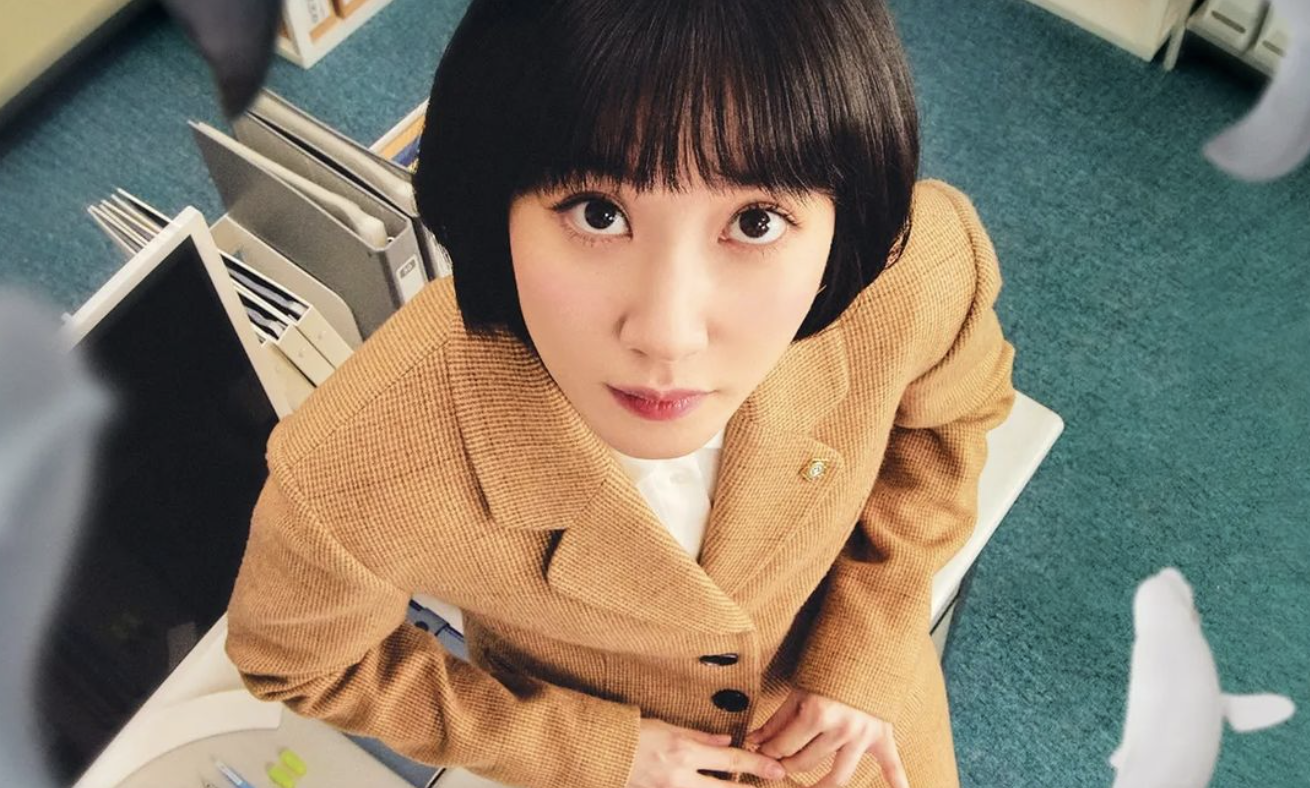
With her love of whales and gimbap, the titular character of Korean drama Extraordinary Attorney Woo burst onto screens earlier this year. The show, led by actor Park Eun-bin, follows the career of a rookie lawyer who happens to be on the autism spectrum. - South China Morning Post - SCMP, Lunar - With her love of whales and gimbap, the titular character of Korean drama Extraordinary Attorney Woo burst onto screens earlier this year. The show, led by actor Park Eun-bin, follows the career of a rookie lawyer who happens to be on the autism spectrum.
Lunar

Celebrating women in Asia and sharing stories that matter

~ 22 Jul, 2022 ~

“Sure, Woo’s surroundings look like fantasy, but it sparks hope that it can one day become a reality.”

– Kim Sung-soo, pop culture critic

With her love of whales and gimbap, the titular character of Korean drama Extraordinary Attorney Woo burst onto screens earlier this year. The show, led by actor Park Eun-bin, follows the career of a rookie lawyer who happens to be on the autism spectrum.

Its uplifting story has received an overwhelmingly positive response, with many describing the show as “heartwarming” and a “healing K-drama”. Others have said they appreciate the portrayal of Attorney Woo as a round character who is more than her neurodiversity. So rave are the reviews, the series has leapt into Netflix’s Top 10 Non-English Shows list and there are even talks of an American remake.

However, the drama has also seen its fair share of critics. Some have argued that the character’s appeal stems from the way she is characterised – as a graduate of the nation’s most elite university and her portrayal by a conventionally attractive, neurotypical actor. While cases of high-functioning autistic people like Woo do exist, they are rare and only form part of the autistic experience. As such, some caregivers see the character as “having nothing to do with them”, and others contend the drama may end up harming the autism community by imposing unrealistic standards on real people with autism.

Sadly, this criticism is not wholly unwarranted. The character’s popularity has also led it to be used in a darker, more sinister way – as a tool with which to mock students with disabilities.

Others have said the drama is “fantastical” in another way – by portraying her coworkers as accepting her differences and treating her as their equal. “A lawyer like [Woo’s mentor] Jung Myung-seok is a fantasy,” says Kim Hyo-won, a paediatric psychiatrist and associate professor at Seoul Asan Medical Centre. “Woo would not have been able to fully show her excellence if people around her did not understand her and complement what she relatively lacks.”

Despite the obvious step forward in neurodivergent representation, it is interesting to note that the drama’s Korean title literally translates to “Weird Attorney Woo Young-woo”. While it may not be fair to charge a single show or character with representing the entire autism community, there is still a long way to go if the “pure fantasy” world of Extraordinary Attorney Woo is to become a reality.

Have shows such as Extraordinary Attorney Woo encouraged you to learn more about the neurodiverse community? Tell us what you think on our Facebook Page.

Signing off,
Jennifer Lee
Production Editor, Social Media
Lunar member

Stories worth sharing

Best breakthrough athlete


Winter Olympian Eileen Gu has taken home another title after being named the best breakthrough athlete at the 2022 ESPYs. She was honoured at a ceremony in Los Angeles alongside some of the biggest names in the sports industry and ended her acceptance speech by thanking supporters in Chinese.

Read the story ]

Is China doing enough for women?


"The attack in Tangshan was yet another opportunity for China to take the violence against women in the country seriously, but again, we have yet to see any action – or even acknowledgement – that there is a systemic problem," writes Danai Howard. 

Read the opinion piece ]

Indian ‘silver’ divorces rise


After spending years bickering or living like “roommates than soulmates”, a growing number of older Indian women are filing for divorce. While leaving a marriage comes with strong family opposition, one woman says: “I’m able to wake up with a smile, and that alone makes it all worth it.”

Read the story ]

Rosé is not a boring wine


“Contrary to popular belief, rosé is not a blend of a white and red wines. With the Champagne region being the only notable exception, most rosés are a product of maceration – a process whereby grape skins are left to rest in the fruit’s juice for a period of time,” writes Yulia Ezhikova.

Read the opinion piece ]

Malaysian baker’s intricate floral jelly cakes


Siamy Tan is personally reviving the lost art of decorating jelly cakes – cakes where coloured agents are injected into a clear layer of jelly and sculpted into an edible design. She’s spreading the word in Hong Kong about the craft, popular in her native Malaysia and Singapore.

Read the story ]

School policies target teens’ appearances


A Hong Kong teenager who experienced gender dysphoria has lodged a rare complaint to the city’s equality watchdog challenging a school policy against long hair for male students. In Japan, teachers are being mocked and condemned after a 14-year-old girl was punished for plucking her eyebrows.

Read the story ]

Riding through lockdowns


Feeling cooped up by Beijing’s partial lockdown earlier this year, Mina Zhao, 40, came across surfskating on social media and decided to give it a try. She’s part of a group of Chinese women flocking to skateboarding amid coronavirus shutdowns.

View the gallery ]

SCMP
SUBSCRIBE TO OUR NEWSLETTER
SUBSCRIBE NOW
DOWNLOAD SCMP APP
Copyright © 2022 South China Morning Post Publishers Ltd.
All rights reserved.

This email was sent to [email]
unsubscribe from this list     update subscription preferences
South China Morning Post Publishers Ltd · 19/F Tower 1 · 1 Matheson Street · Hong Kong · Hong Kong