|
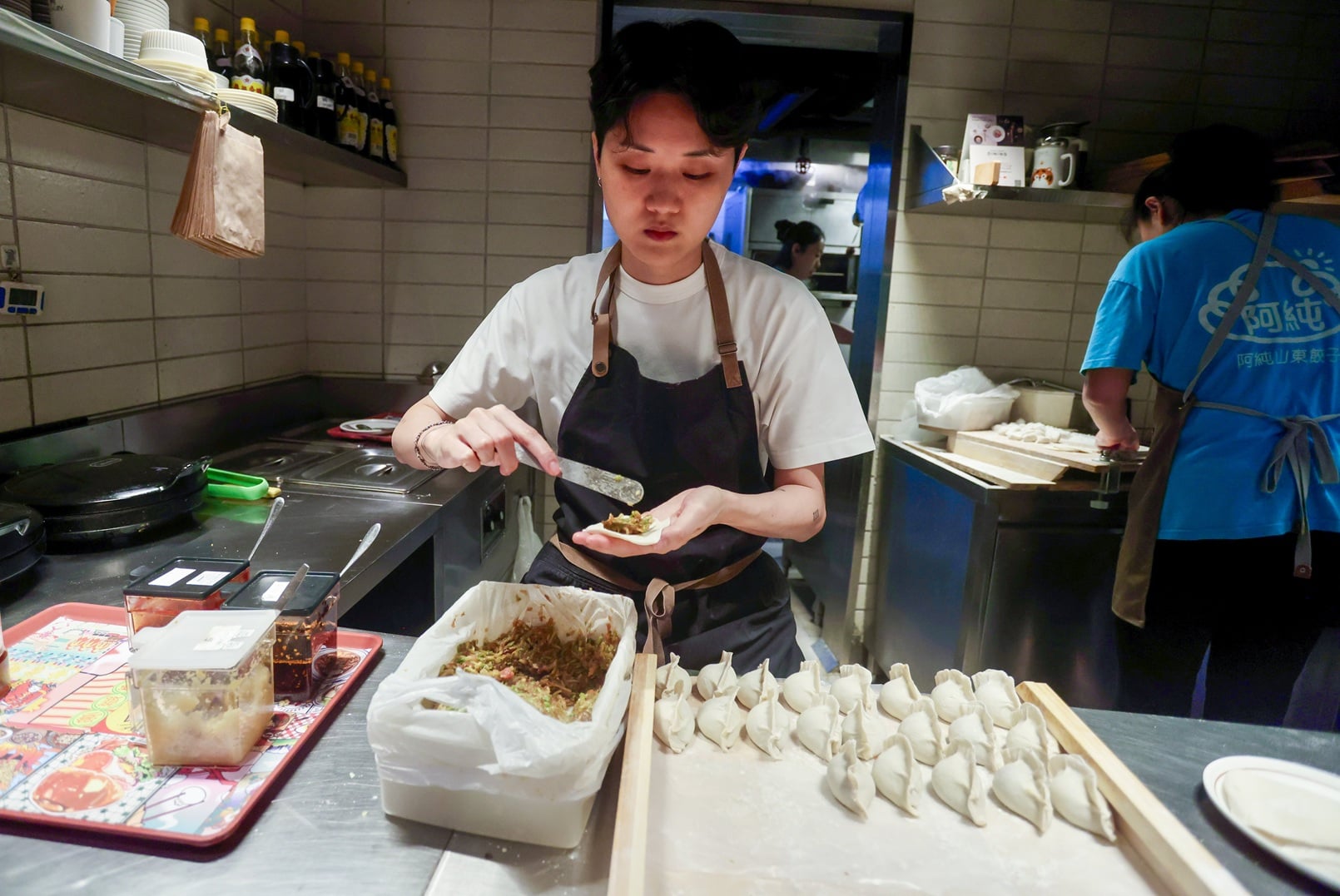
In the early hours of the morning, former chef Mel Ng was tasked with rolling out dumpling wrappers and mixing the next day’s fillings before surviving the chaotic lunch rush at Ah Chun Shandong Dumpling.
As she “staged” for the day, Ng tried to learn as much as she could. The practice of “staging” in the culinary world is when a cook takes a temporary unpaid shift in a restaurant to learn its techniques.
Ng's mission to stage in different restaurants isn’t just about honing her culinary craft, but also about using her business sense to help struggling eateries survive.
“A chef might have a great recipe, but if the concept isn’t spot on, doesn’t fit the neighbourhood or ignores current trends, the business will struggle,” Ng said. She spoke to Young Post about how she's using her cooking skills, business knowledge and social media to help preserve the city's culinary traditions.

It is hard to imagine life without our smartphones and tablets, but our favourite devices might be wearing us down.
In an article published in the Postgraduate Medical Journal in 2025, researchers analysed data from seven previous studies involving 10,715 adults. They found that people who overused their smartphones had a significantly higher risk of neck pain.
But neck pain is not the only problem. Poor sleep and eye strain are also some of the many negative effects of our screen-dominated world.
Take a break from your devices and try these four yoga poses to restore your posture, relieve neck pain, and refresh your eyes.
|