|
Dear reader,
In the coffee shops of Washington in the spring, China-watchers were keen to know how the leaders of the two countries would spar over trade, Taiwan and the rest of their long list of talking points when they met in Beijing in May. The same questions are being asked now in the Chinese capital as the final preparations are being put on next week’s summit in Washington. In the time between the summits, the list of outstanding issues has only grown to include the Iran war and the race to dominate artificial intelligence. The two presidents could meet as many as four times this year and no doubt each time there will be more handshakes and smiles and references to the world’s most consequential relationship. But can we really expect anything substantial? The signs so far are suggesting not.
Dewey Sim, China Correspondent
Click here for our exclusive deep dives into preparations for the second Xi-Trump summit
The Big Picture
Hail to the chiefs
Beijing and Washington hold what may be the last high-level talks to nail down the details of Xi Jinping’s state visit to the US.
- Why it matters: Beijing and Washington are jostling for position ahead of the summit but there is one area where both sides foresee a possible outcome
- The US military honour guard rehearses in the White House
- Meanwhile, what was missing from Defence Minister Dong Jun’s keynote speech at the Xiangshan Forum, and what does it mean for China-US relations?
- And, Cui Tiankai warns against the lack of trust preventing better ties
- Also, what role could China’s maritime militia play in its South China Sea disputes?
- And, what can improve Beijing’s public image in the US?
Bloc party
Brics members move one step closer to de-dollarisation, China offers open-source AI and Narendra Modi warns of critical minerals weaponisation.
The winner is...
Genta Koja, who will become Okinawa’s new governor but could deal a blow to Beijing’s Japan policy
Li Ci-ze, who won praise from Beijing for his detailed proposal for reunification
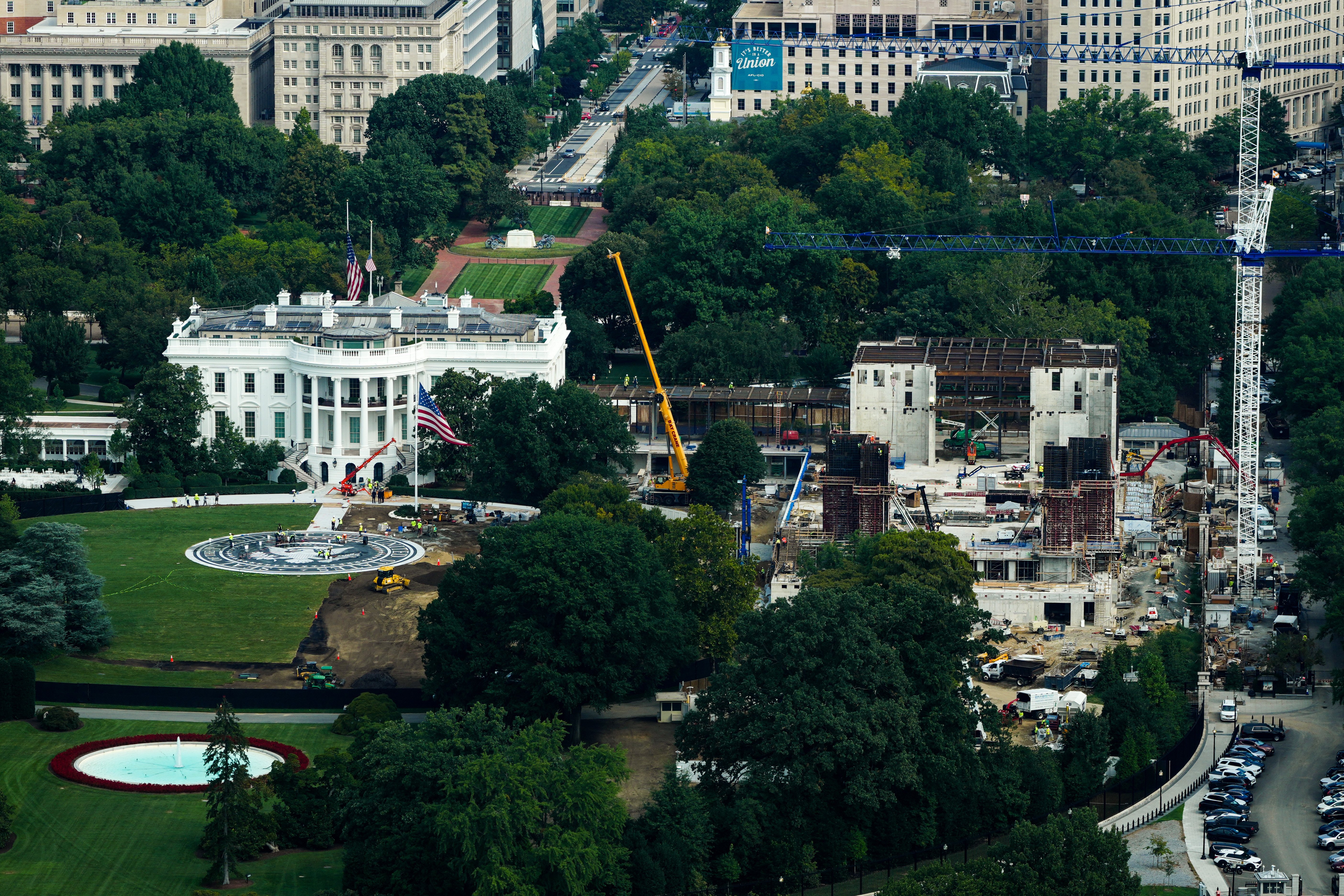
And the big question: could the White House ballroom top China’s Great Hall of the People?
Direct Quote
“Keeping naval or coastguard vessels at sea for extended periods is too costly. Maritime militia vessels can range from several hundred tonnes to, at most, about 1,000 tonnes, so they are relatively inexpensive to operate. They can maintain a regular presence to observe, track and identify and provide information.”
Wu Shicun, a leading expert on the South China Sea, proposes strengthening the role of civilian fishing fleets to maintain a regular presence in the disputed waters
|